
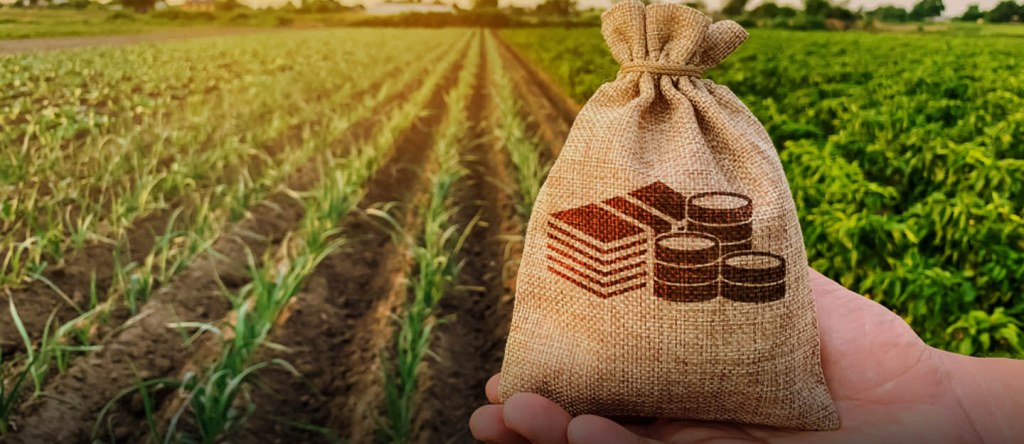
Pakistan is often considered an agricultural country due to the significant contribution of agriculture to its economy. Agriculture has historically played a crucial role in providing livelihoods to a large portion of the population and contributing to the country’s GDP. Major crops include wheat, rice, cotton, sugarcane, and maize.
However, Pakistan also has a growing manufacturing sector that has become increasingly important to its economy. The manufacturing sector includes industries such as textiles, cement, chemicals, steel, automobiles, and electronics. Over the years, the government has aimed to diversify the economy by promoting industrialization and encouraging investment in manufacturing.
While agriculture still holds a prominent place in the economy, the manufacturing sector has been expanding and contributing significantly to employment, exports, and GDP growth. The growth of manufacturing has been driven by efforts to develop infrastructure, improve ease of doing business, and attract foreign direct investment.
In summary, while Pakistan has a strong agricultural base, it is also making strides to become a more diversified economy with a growing manufacturing sector. The country’s economic structure continues to evolve, with both agriculture and manufacturing playing vital roles in its development.


